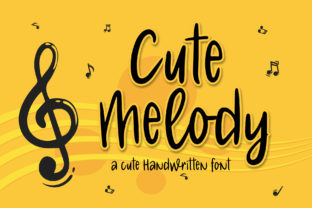
Cute Melody: A Handwritten Font for Makers
The morning light was just hitting my workbench when I opened the latest design file for a batch of soy wax candles. I had the scent blends finalized—lavender and vanilla, crisp linen, and warm amber—but the label design felt stiff. The standard serif I usually relied on looked too formal, almost corporate, for the cozy, handmade vibe I wanted to convey. I needed something that felt like a note passed between friends, soft yet legible. That is when I loaded Cute Melody. As soon as those rounded, playful letters appeared on the screen, the entire mood of the project shifted. It wasn’t just text anymore; it was an invitation to slow down and enjoy the moment.
For anyone who spends their days cutting vinyl, printing stickers, or designing digital downloads, finding the right typeface is half the battle. Cute Melody is a sweet and fun handwritten font that manages to strike a delicate balance. It is clean and soft, avoiding the messy illegibility that plagues many casual scripts, while still retaining the organic charm of human handwriting. This makes it an incredibly versatile tool for crafty DIY projects, Cricut creations, logos, branding, and social media graphics. It feels personal without being chaotic, which is exactly what modern customers look for in handmade goods.
Bringing Warmth to Product Labels and Packaging
One of the most immediate applications for a display font like this is product labeling. Whether you are selling homemade jams, artisanal soaps, or curated gift boxes, the typography on your packaging acts as the first handshake with your customer. I tested Cute Melody on a set of circular stickers intended for small glass jars. Because the font has generous spacing and open counters, it remained readable even at smaller sizes. The soft curves of the letters complemented the round shape of the sticker perfectly, creating a cohesive visual experience.
When using handwritten fonts for physical products, readability is paramount. You want the customer to instantly recognize the product name or scent without squinting. Cute Melody excels here because it avoids excessive swashes or tangled ligatures that can confuse cutting machines like Cricut or Silhouette. For vinyl cutters, this means fewer weeding nightmares and cleaner edges. The simplicity of the design ensures that when you press that iron-on transfer onto a tote bag or a cotton shirt, the lines remain distinct and durable.
Elevating Stationery and Event Design
Beyond physical goods, this typeface shines in the world of paper crafts and event stationery. I recently used it to design a set of birthday invitations for a local boutique client. The goal was to create something that felt celebratory but not childish. By pairing Cute Melody with a simple, geometric sans serif font for the logistical details like date and time, the design achieved a professional hierarchy. The handwritten font handled the "You’re Invited" header with warmth, while the sans serif kept the essential information clear and easy to scan.
This principle of font pairing is crucial for any designer working with display typefaces. A handwritten font should rarely carry the entire weight of a layout. Instead, let it be the star of the show for titles, names, and short phrases. Use a clean serif or sans serif for body text. In wedding welcome boards or bridal shower signage, Cute Melody adds a touch of whimsy that photographs beautifully. It works equally well for digital printables, such as planner pages or wall art, where the emotional tone of the text matters as much as the information it conveys.
Building a Cohesive Brand Identity
Consistency is the backbone of any successful handmade business. When a customer sees your Instagram post, clicks through to your Etsy shop, and then receives their package, the visual language should feel familiar. Cute Melody can become a key part of that brand identity. Its friendly demeanor translates well across various mediums. I have used it for social media graphics to highlight seasonal sales, and the same font on the thank-you card included in the shipment. This repetition builds recognition. Customers begin to associate that specific handwritten style with the quality and care they expect from your shop.
For logo design, this font offers a modern typography approach that feels approachable. It is particularly effective for businesses in the lifestyle, parenting, or pet niches, where warmth and trust are essential. However, before finalizing any commercial use, it is vital to check the specific licensing terms included with the font file. Ensure that the license covers the creation of physical merchandise, digital templates, and end-product sales. Most premium fonts come with clear guidelines on commercial use, but verifying this step protects your business and respects the creator’s work.
Practical Tips for Digital and Physical Creation
If you are new to using display fonts in your workflow, here are a few practical considerations to keep in mind:
- Check File Formats: Ensure you have access to OTF or TTF files for standard design software, and check if SVG versions are available if you prefer working directly in cutting machine software.
- Test Readability: Always print a test sheet or cut a small sample before committing to a large production run. What looks good on a high-resolution monitor may behave differently on textured paper or fabric.
- Mind the Spacing: Handwritten fonts often benefit from slight adjustments in kerning. Give the letters room to breathe, especially when using them for short titles or logos.
- Explore Alternates: Many high-quality handwritten fonts include alternate characters or ligatures. Check if Cute Melody offers these features to add unique flair to specific words or initials.
Ultimately, the right font does more than display words; it sets the stage for the story your product tells. Cute Melody invites the viewer into a space that is creative, gentle, and authentic. Whether you are designing a complex wedding invitation suite or a simple sticker for a candle jar, this typeface provides the perfect blend of personality and professionalism. It reminds us that in a world of mass-produced goods, the human touch—captured in the curve of a handwritten letter—is still the most valuable asset a maker can offer.